
English| EUR
Suggested for you
More currencies
Choose a language
Fort Lauderdale sits 75 miles northeast of Everglades National Park's main entrance at Homestead, making it a practical launch point for visitors staying along Florida's Atlantic coast. The drive takes approximately 90 minutes under normal conditions, though weekend traffic through the urban corridor can add 20 to 30 minutes. Understanding which park entrances serve different ecosystems helps you match the route to what you want to see.
Quick answer
An Everglades National Park tour from Fort Lauderdale requires a 75-mile drive south via I-95 and Florida's Turnpike to the Ernest F. Coe Visitor Center entrance near Homestead, taking roughly 90 minutes in normal traffic. The park charges a standard vehicle pass of $35 plus a mandatory $100 nonresident fee per person, and operates 24 hours daily year-round. Departing Fort Lauderdale between 7:00 and 10:00 AM positions you to complete the drive, enter during cooler morning hours, and return before afternoon thunderstorms peak in summer months.
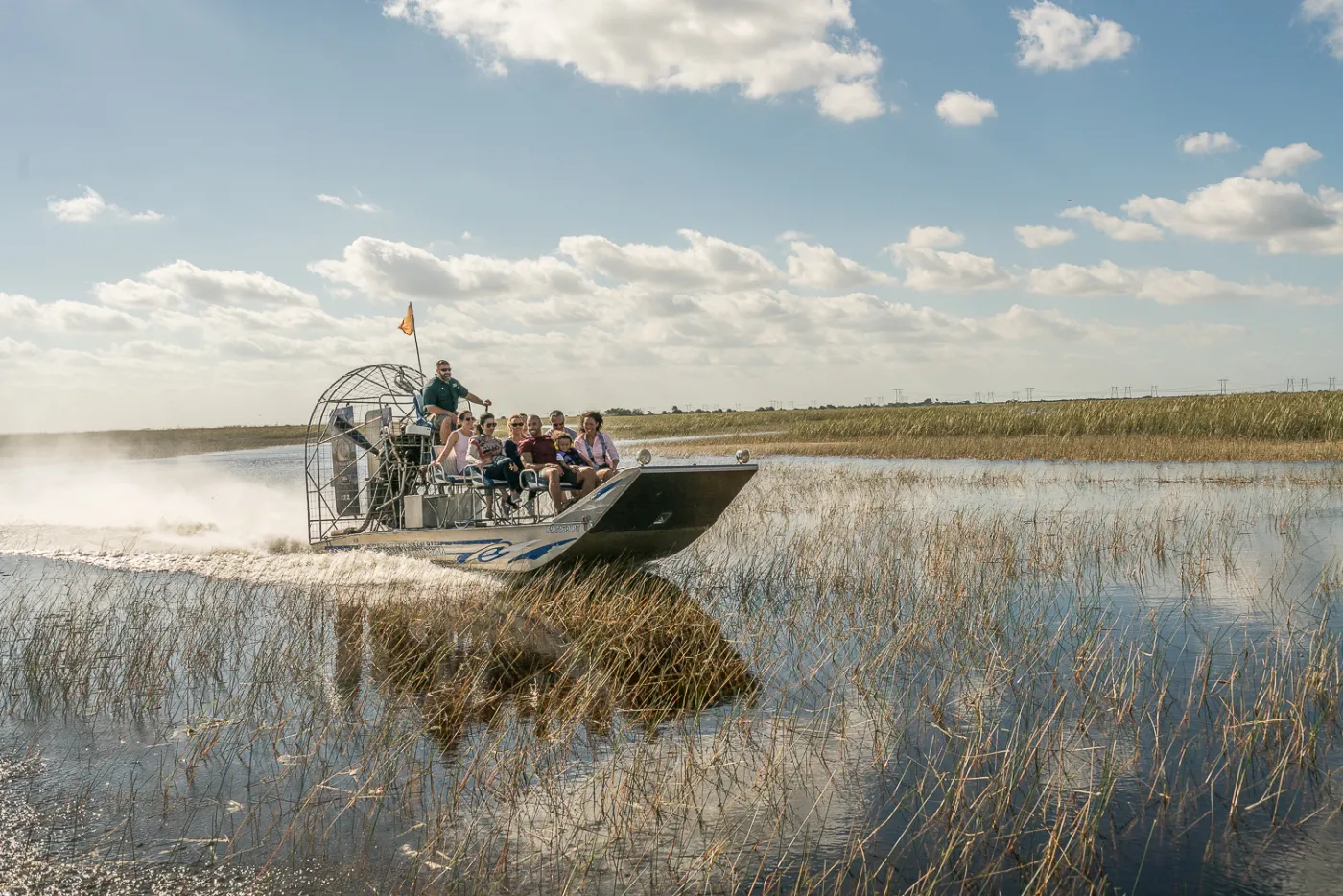
The Everglades encompasses 1.5 million acres across three distinct drainage basins, but most visitors from Fort Lauderdale target the southern Shark Valley corridor or the mangrove estuaries accessible via the main Homestead entrance. The park is not a single wetland but a slow-moving river 60 miles wide and only six inches deep in most places, drained by centuries of agriculture and now partially restored through federal water management. That shallow sheet flow creates the sawgrass prairies and tree islands visible from the Anhinga Trail and Gumbo Limbo boardwalks near the Royal Palm area. An everglades national park tour from fort lauderdale typically follows Florida's Turnpike south through Miramar and Pembroke Pines before transitioning to surface roads near Homestead. The Ernest F. Coe Visitor Center marks the official threshold, though the landscapes you associate with the park—open water dotted with cypress domes and wading birds—begin another 20 miles west along the park road. Alligators concentrate near Anhinga Trail year-round because fish trapped in shrinking pools during the dry season provide easy feeding. Winter months from December through March offer the highest wildlife visibility and the lowest mosquito pressure, though summer rains create the dramatic thunderheads and lightning storms that define South Florida's wet season. Airboat concessions operate outside park boundaries in areas like the Tamiami Trail corridor west of Miami, providing high-speed access to sawgrass flats that remain off-limits within the national park itself due to noise and wake restrictions. These commercial zones cater to visitors prioritizing airboat rides over hiking, though the ecosystems differ slightly—less open water, denser vegetation, and scheduled tours rather than self-guided exploration. The main park entrance near Homestead supports ranger-led programs, paved trails accessible to wheelchairs, and the 38-mile road to Flamingo on Florida Bay, where boat tours navigate mangrove tunnels and backcountry channels inaccessible by car. Cell service drops to zero beyond the Royal Palm area, so download maps and check fuel before continuing deeper into the park. Most Fort Lauderdale-based visitors allocate five to six hours for the round trip and on-site exploration, enough time to walk two major trails, attend a ranger talk, and drive the loop to Pa-hay-okee Overlook. The park's 24-hour access allows pre-dawn entries for photographers chasing golden-hour light on the sawgrass, though services at Flamingo close seasonally and the Royal Palm area remains the only reliably staffed zone year-round.
“The Everglades is not a swamp but a river 60 miles wide and six inches deep, moving south at a quarter-mile per day.”
Everglades National Park is located south of Fort Lauderdale, with the primary Ernest F. Coe Visitor Center entrance accessible via a direct drive south. The most efficient route for visitors is via the Florida Turnpike or I-95 south connecting to State Road 9336.
Florida Turnpike S to US-1 S and SR 9336
I-95 S to Florida Turnpike S to SR 9336
Navigate to 40001 State Road 9336, Homestead, FL 33034 to reach the main park entrance. Arriving between 07:00–10:00 is recommended to avoid congestion at the entry gate.
The best arrival window for visiting Everglades National Park from Fort Lauderdale is 07:00–10:00 to avoid mid-day heat and potential entry gate congestion on busy winter weekends. Planning your visit during the dry season, which runs from December through April, offers the most comfortable conditions for outdoor activities.
Mild, 55°F–77°F; minimal rainfall. This is the peak season for wildlife viewing as animals gather near water sources.
Hot, 70°F–90°F; high humidity and mosquitoes. Afternoon thunderstorms are frequent during these months.
—; Avoid the heavy weekend traffic and arrive between 07:00 and 10:00. You will experience lower temperatures and higher wildlife activity.
Verdict: The best time to visit is during the dry season, specifically Tuesday to Thursday, with an arrival between 07:00 and 10:00 to ensure a productive and comfortable experience.
Entrance fees for Everglades National Park are determined by the type of vehicle used and the residency status of the visitors. These official park fees are required for access to the grounds.
Verdict: A typical adult visitor pays a total of 135 USD, which accounts for the standard vehicle pass and the mandatory nonresident fee.
Everglades National Park remains accessible to visitors throughout the week. The park maintains consistent operating hours every day of the year.
This plan suits visitors departing Fort Lauderdale early and covers a full day in the park, returning by evening. Budget approximately 10–12 hours total, including 90 minutes each way for the drive.
Leave by 6:00 AM to reach the Ernest Coe Visitor Center during the recommended 7:00–10:00 arrival window and avoid mid-day heat.
Arrive at the park entrance (40001 State Road 9336, Homestead), pay the vehicle pass and nonresident fee, and pick up trail maps. Spend 20 minutes reviewing exhibits.
Walk the 0.8-mile paved loop at Royal Palm to spot alligators, wading birds, and turtles from elevated boardwalks. Allow 45 minutes.
Drive to this elevated boardwalk for panoramic views over the sawgrass marsh. The short 0.2-mile loop takes 15–20 minutes.
Continue south to Flamingo for lunch at the marina area and explore the coastal prairie and mangrove shoreline. Allow 90 minutes.
If time permits, detour north via Tamiami Trail for the 15-mile tram loop or bike ride through freshwater slough habitat. This adds 2–3 hours.
Depart the park to avoid evening traffic on US-1 and the Turnpike back to Fort Lauderdale, arriving by 18:00.
Confirm these logistics before leaving Fort Lauderdale to ensure smooth park entry and a comfortable day in the subtropical wilderness.
Everything you need to know about everglades national park tour from fort lauderdale
Yes, these excursions are generally family-friendly and offer educational opportunities to learn about the ecosystem. Visitors can see diverse wildlife, including alligators and various bird species, in their natural habitat.
The recommended arrival window is 07:00–10:00 to avoid mid-day heat and potential entry gate congestion on busy winter weekends. Planning your visit for early morning ensures a more comfortable experience before temperatures peak.
The entrance fee is 135 USD, which consists of a 35 USD standard vehicle pass plus a 100 USD mandatory nonresident fee per person. Please ensure you have these details confirmed before your arrival at the entrance gate.
Travel time depends on your specific departure point and traffic conditions along the route. It is advisable to factor in extra time for potential delays when planning your logistics for the day.
The park is accessible every day of the week from 00:00–23:59. While the gates are open at all times, many visitor center services and guided activities operate on more restricted schedules.
It is helpful to bring water, sun protection, insect repellent, and comfortable clothing for outdoor exploration. Checking the weather forecast before you depart will help you prepare for the humid subtropical conditions found in this Florida landmark.