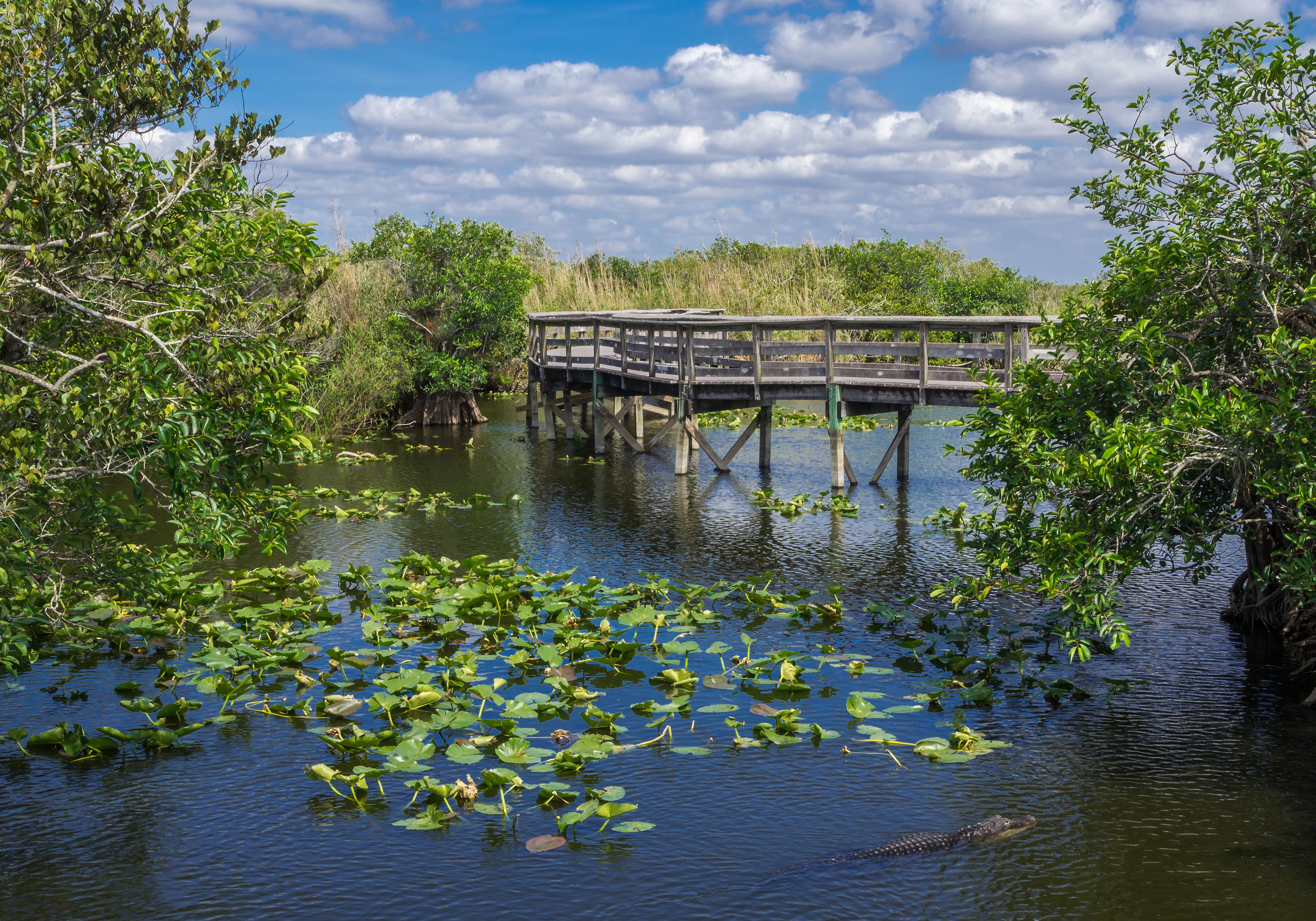
Royal Palm
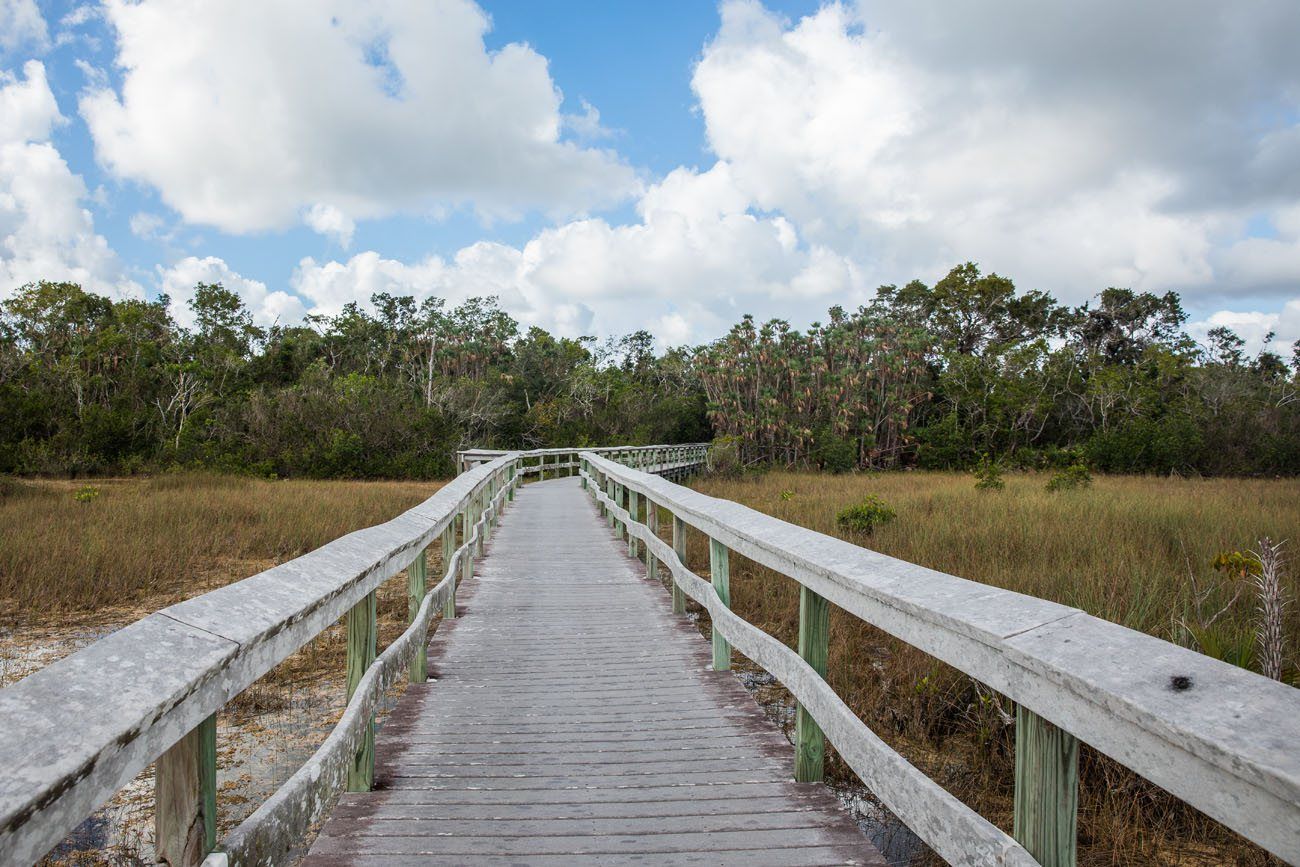
This area features the Anhinga Trail and Gumbo Limbo Trail, providing elevated boardwalks over sawgrass marshes and hardwood hammocks.
Walk the boardwalks quietly to observe turtles and wading birds closely.

The drive from Fort Lauderdale to Everglades National Park covers a deceptively short distance that crosses two ecosystems. What begins at Atlantic beaches ends in freshwater prairie, and the route shapes how you experience both. This guide explains the distance, the variables that affect drive time, and the entry points that matter.
Quick answer
The Everglades lie approximately 50 to 80 miles from Fort Lauderdale, depending on which park entrance you target. The Ernest F. Coe Visitor Center near Homestead sits roughly 80 miles southwest via Interstate 75 and State Road 9336, requiring 90 minutes under normal traffic. Shark Valley, the closest developed access point, is about 50 miles west on U.S. Route 41, reachable in under an hour. Traffic through Miami-Dade during weekday mornings and evenings can add 30 to 45 minutes.
Everglades National Park occupies 1.5 million acres at the southern tip of Florida, yet its northern boundary sits closer to Fort Lauderdale than many visitors expect. The park stretches across three counties and offers multiple entry points, each serving a different slice of the wetland mosaic. Understanding how far the Everglades are from Fort Lauderdale requires knowing which section you intend to visit, because distance and accessibility vary significantly. The most direct route follows Interstate 75 west into the sawgrass prairies, then cuts south toward Homestead. This path connects Fort Lauderdale to the main park entrance at 40001 State Road 9336, where the Ernest F. Coe Visitor Center anchors the southern sector. The drive covers roughly 80 miles and passes through suburban sprawl before the landscape opens into agricultural flatlands and eventually the mangrove estuaries that define Everglades topography. Traffic patterns govern real travel time more than mileage, particularly during weekday commutes when congestion thickens along the urban corridor. Shark Valley offers an alternative entry on the park's northern edge, accessed via U.S. Route 41—the Tamiami Trail. This route shortens the Fort Lauderdale to Everglades distance to approximately 50 miles, cutting through the heart of the River of Grass without the southern detour. The Tamiami Trail parallels the park's northern boundary and delivers visitors directly to the 15-mile tram loop, a paved circuit renowned for alligator sightings and wading bird rookeries. The reduced mileage makes Shark Valley the logical choice for half-day excursions or morning wildlife surveys. Seasonal considerations shift the equation. Summer thunderstorms between June and September can flood low-lying sections of State Road 9336, temporarily closing portions of the park's interior roads. Dry-season months from December through April bring peak visitation, extending drive times near park entrances as vehicles queue at entry stations. The $35 seven-day vehicle pass covers all occupants and grants access to every district, so choosing an entry point based purely on distance may overlook which habitats align with your interests. Anhinga Trail near the main entrance showcases freshwater sloughs, while Shark Valley emphasizes expansive sawgrass vistas. The distance from Fort Lauderdale remains consistent year-round, but the ecological payoff of each route changes with water levels and migratory cycles.
“The park stretches across three counties and offers multiple entry points, each serving a different slice of the wetland mosaic.”
Everglades National Park is located south of Fort Lauderdale, with the primary entrance requiring a drive of approximately 80 to 90 miles. Reaching the park is most practical by private vehicle, as there is no direct public transit service to the main visitor center.
Florida's Turnpike South to State Road 9336
I-95 South to Florida's Turnpike South
The main entrance is at 40001 State Road 9336, Homestead, FL 33034. Plan for a significant drive from Fort Lauderdale and aim to arrive between 08:00 and 10:00 to manage park access efficiently.
The best arrival window is 08:00–10:00 to beat crowds and heat for better wildlife viewing. Planning your departure from Fort Lauderdale to align with this morning timeframe ensures optimal conditions for your park visit.
Mild, low humidity, 60°F–77°F
This period offers the most comfortable temperatures and active wildlife as animals congregate near water sources.
Humid, frequent rain, 75°F–90°F
Expect higher temperatures and increased insect activity, though the landscape is lush and greenery is at its peak.
—
Visiting midweek during the early morning hours provides the quietest experience and the highest probability of observing park fauna undisturbed.
Verdict: The best time to visit is during the dry season from December to April, arriving between 08:00 and 10:00 on a weekday.
Everglades National Park maintains consistent accessibility for visitors throughout the week. The park remains open daily to accommodate travel schedules.
The main park road from the Homestead entrance provides access to various ecosystems and observation points within Everglades National Park. These locations offer opportunities to view the landscape and local wildlife.
This area features the Anhinga Trail and Gumbo Limbo Trail, providing elevated boardwalks over sawgrass marshes and hardwood hammocks.
Walk the boardwalks quietly to observe turtles and wading birds closely.
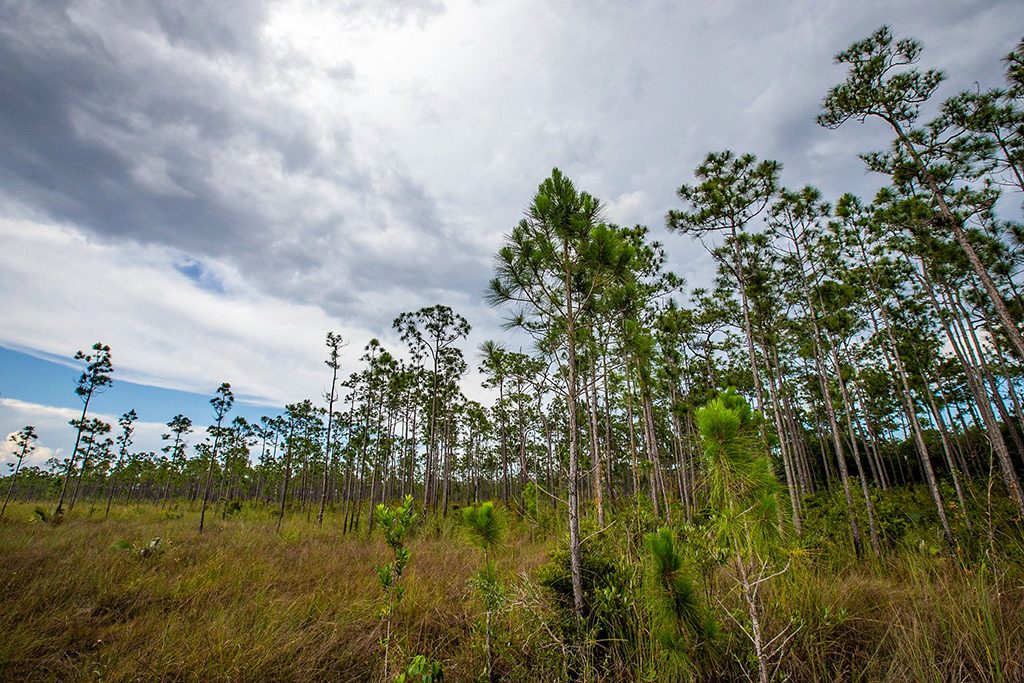
Characterized by pine rockland forests, this zone is home to diverse plant species and birds that thrive in this unique habitat.
Visit during the early morning hours to hear increased bird activity.
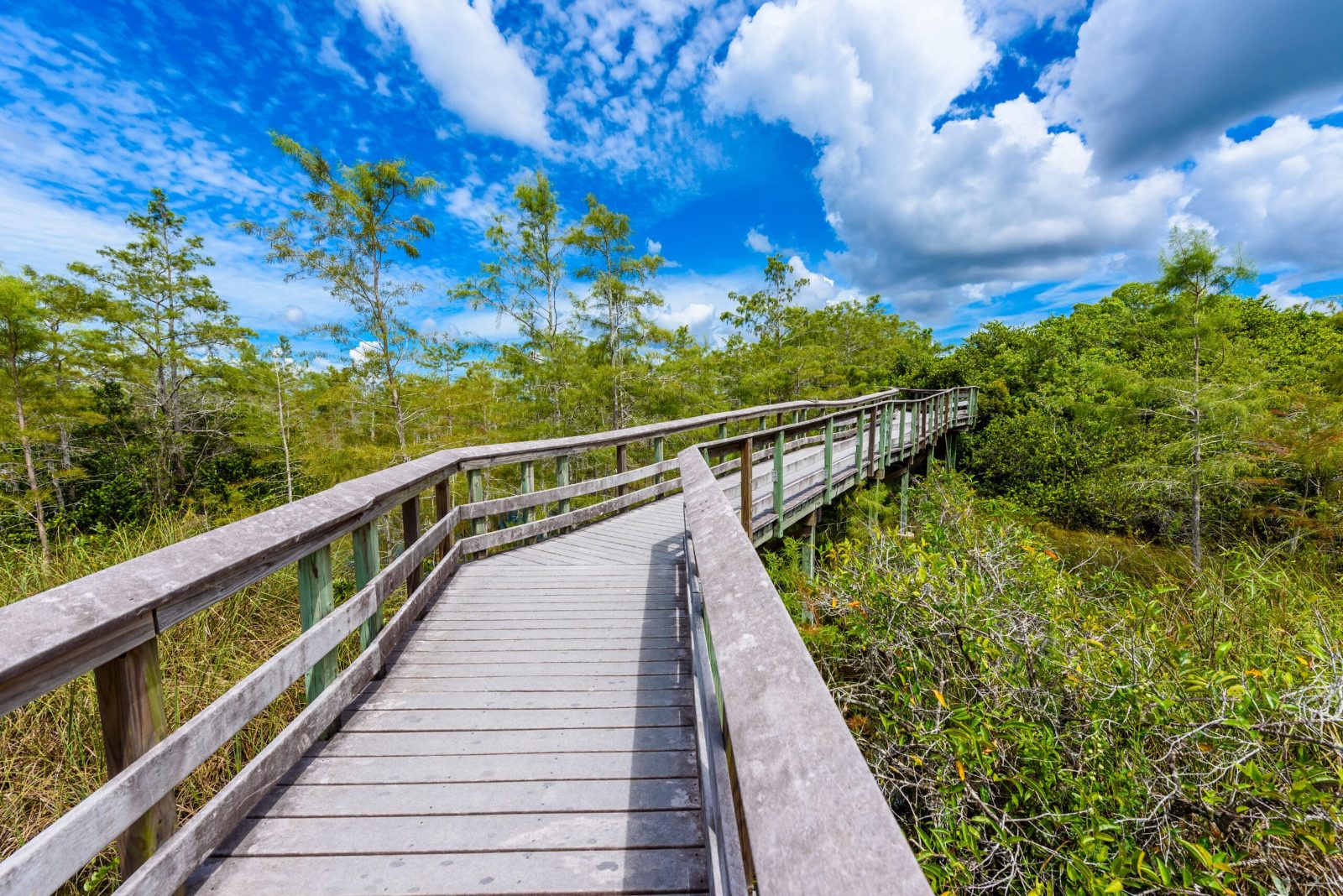
This observation tower provides a panoramic view of the vast river of grass and the surrounding dwarf cypress forest.
Use binoculars to scan the horizon for distant wading bird colonies.
A boardwalk trail winds through a dense hardwood hammock that contains the largest living mahogany tree in the United States.
Bring mosquito repellent to comfortably explore this shaded, humid environment.
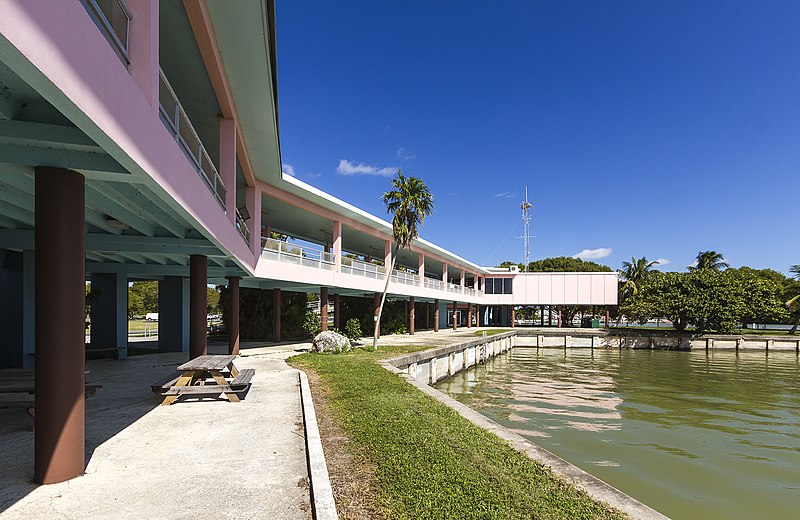
Located at the southern terminus of the park road, this area overlooks Florida Bay and serves as a hub for water-based activities.
Watch for manatees and crocodiles near the marina and boat launch.
Pack essentials for the hour-plus drive and a day in subtropical wetlands where services are sparse.
Everything you need to know about how far are the everglades from fort lauderdale
The distance depends on your specific destination, but you can expect to travel approximately 70 to 90 miles to reach the primary entrances of Everglades National Park. Knowing how far are the everglades from fort lauderdale helps you plan your transit logistics effectively.
Driving to the park typically takes between 1.5 to 2 hours depending on traffic conditions in South Florida. Researching how far are the everglades from fort lauderdale allows you to allocate enough time for a full day of exploration.
Opting for a professional Everglades excursion from Fort Lauderdale often simplifies logistics and provides expert navigation through the wetlands. These services help manage the transit time required when considering how far are the everglades from fort lauderdale.
We recommend arriving between 08:00–10:00 to beat the heat and avoid peak crowds, which ensures better wildlife viewing. Early arrival is a smart strategy regardless of the distance you traveled to get there.
The entrance fee is 35 USD for a 7-day vehicle pass that covers all occupants. This pass provides access to the diverse habitats within the national park boundaries.
The park is open daily from 00:00–23:59. This accessibility allows visitors to plan their excursions around flexible schedules throughout the week.
Since the park spans a vast region, your specific entry point significantly dictates your travel time. Planning your route in advance ensures you spend more time in nature and less time on the road.
The park is a family-friendly environment where you can observe native species like alligators and wading birds in their natural habitat. Many visitors find the educational value of the ecosystem outweighs the travel time from nearby coastal cities.